Eleanore's- -voice
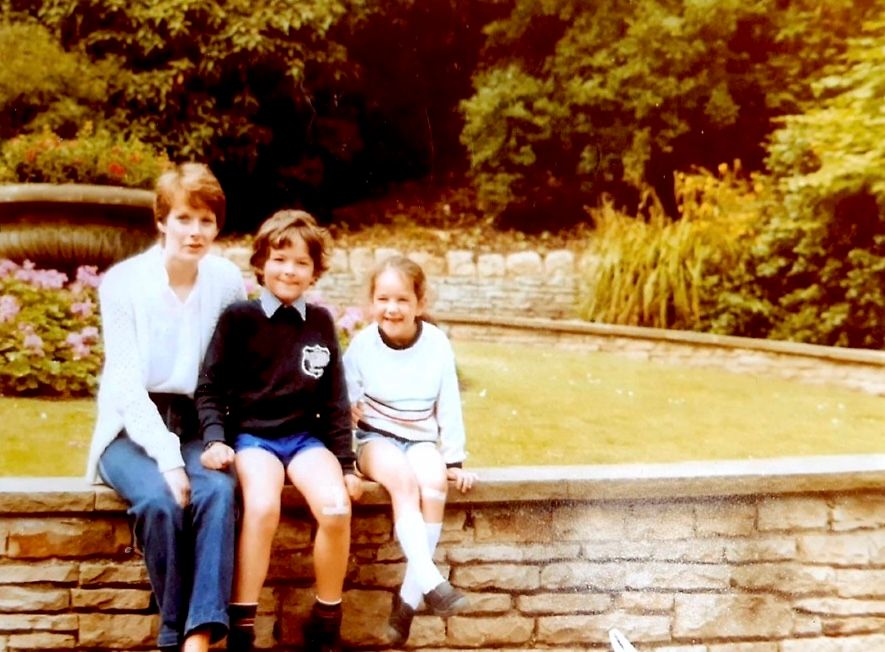
Eleanore, Headteacher
We’ve got a team in school who support children and families. We have a full-time emotional wellbeing practitioner, a trained counsellor, who offers support one-to-one with children with social and emotional needs. So it might be children who have got social worker involvement or it might be children who are looked after by their local authority or they’ve got another kind of anxiety need or mental health need that she supports and guides them through that, through her sessions. And we’re looking to expand that even further next year.
We’re responding to need. We’re trying to be proactive and support children as quickly as we can because we know the impact emotional wellbeing has on their ability to be able to sit in a classroom and get on with the learning. And that will inevitably turn out in behaviour and unwanted behaviours which can be unsafe or stop other children from learning. And we don’t want that to happen, we want the children to get the best experience that they can have. And meeting the need, helping them so they’re regulated, they’re fed, they’re ready, they can be in a classroom successfully which benefits them and everybody else as well.
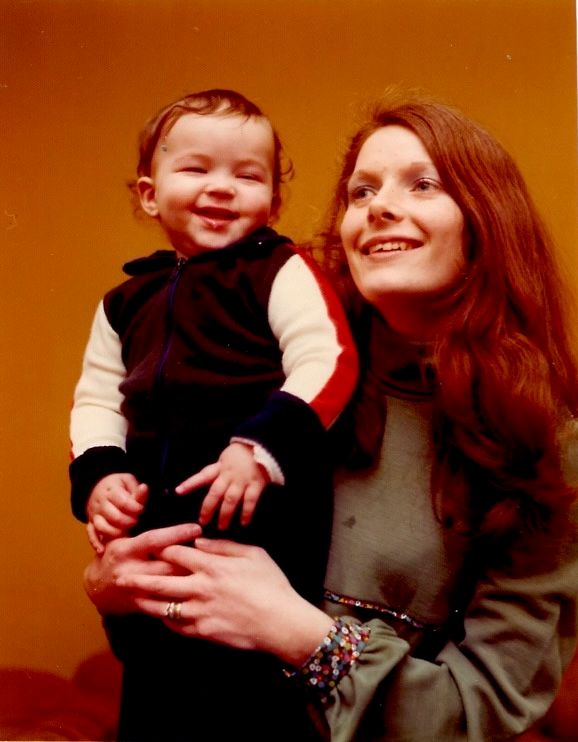
‘I’m not a young mum, but I had a young mum’.
Eleanore Pickard, Headteacher
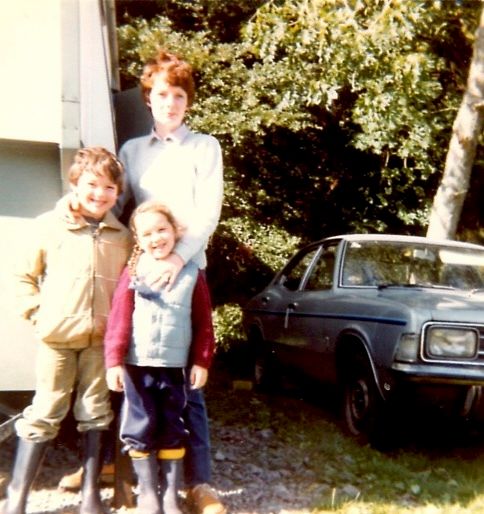
I am the daughter of a young mum and I just thought she was absolutely fabulous! She was so glamorous. I remember her having so much energy and being able to do anything at all.
My mum left school at sixteen, went straight out into work. She was married at 17. She had my brother at 18 and then had me at 21. She made being a mum her full-time job. My dad worked as a taxi driver and worked nights. We didn’t have very much money, but she made every penny count. She would make costumes for me when I used to go dancing and she’d make my clothes. I can remember her knitting cardigans and sewing. She’d make everything from scratch to try save every little bit of money so that we could have a holiday in the summer, and we could have everything we wanted at Christmas
When we got a little bit older, she went off to university. Everybody told her not to do it, but she went off and trained to be a teacher and she had an amazing career. By the time she retired, she was the executive headteacher of three schools for children with special needs in an alternative provision. She’d set them up from scratch and ran them.
Young parents and their children often wrongly get written off. But I think about my mum, who was one of six and of my Nana, her mum was also a young mum. My mum was the first one in the family to go to university and she gave us that ambition too.
She was just fabulous!
One of the things we pride ourselves on is that we change what we’re doing to meet our community. We don’t expect them to fit in with anyone else’s social norms or expectations of school. So if things are not working for our children, if that’s around curriculum or teaching and learning or around the behaviour policy and it’s not working for our community then it’s our role to look at what does work. We don’t have a one sized all approach. We don’t implement policies that have worked in other schools. We do our research and do things really thoroughly and carefully so that we’re supporting our families.
It’s the same with our employees because we have employees who a have lived on the estate for a long time and have worked here for a long time and they are all part of the community as well. And that includes different roles around school so that they bring that community spirit in as well”.
School and family based support
Miss Pickard: I think we noticed with a lot of our younger parents, they’ve often got grandparents involved, like maternal mums supporting the families, we see that which is great isn’t it.
Miss Fish: But some families don’t necessarily have a lot of extended family or within the area. So that kind of makes them feel a little bit isolated as well. And that’s where we jump, kind of reach out straight away as quick as we can to kind of support that single mum or dad to make sure that they don’t feel that isolation. Because then that will transfer to the child and actually what we need to do is try to make sure that mum or dad’s anxieties or whatever they’re displaying are supported so that we can support the children and the family.
A welcoming school
Miss Pickard: Building relationships is key. We had a family that have left our school now but a young mum felt embarrassed coming into school cause she was so much younger than a lot of the other parents. And I think getting that big grin and, welcoming her on the school gates, ‘hiya come in lovie, come on, you’re alright, how are you?’ and having that chat with her made her feel less nervous and less anxious about coming into school. Because if you’ve got a parent who’s anxious about coming into school then that’s when they’re gonna spiral. And then as soon as there’s a reason not to bring the children then attendance goes and then their education and then it kind of does spiral out of control. But if you can make those relationships and make everyone feel welcome regardless of their background or their age then that has a big impact as well.
Miss Fish: 100%. 100%. And if you’re reinforcing if they’ve had a tricky morning and, and they’re feeling really, really deflated by that tricky morning, you’re then reminding them with a big smile, ‘but don’t forget how much different things are and how settled things are. And, you know, you’re doing a great job’. You know, so it is making sure that you reflect and reinforce actually everybody has tricky times. And they are those ones that just need that smile and positive reinforcement of how well they’re doing.
The first priority for us is to make sure the children are ready to learn so that whatever’s gone on in their home lives the children come to school, they’re fed, they’re watered, they’re loved and they’re ready for learning in whichever way they can be. So that might mean a range of intervention and support in terms of social and emotional wellbeing or kind of more formal parental support but we’re there to support the families in whichever way we can do. And that’s part of Miss Fish’s role as well in terms of looking after families, being a shoulder to cry on. Being the person who’ll sit and listen when they’ve had a tricky morning and putting the right support in place or directing them as to where they might get that support.”
The advantages of being young parent families
Miss Pickard: Young parents have more energy to do things. And their more technology savvy. when you want to talk to parents about what children been looking at on TikTok or whatever and they go, ‘oh right’. And they know exactly how to deal with it, they’re living in that generation.
Miss Fish: But also I, I know there are a small group of our younger families as well where the children, you can see that the children are much more…relaxed and like, you know, like whereas if they’re an older mum or parent, dad then you can see the different generation of how their expectations as they were growing up transfer to the child. And whereas with the younger ones you can see they’re more chilled and relaxed in the way that they speak and the way that they present themselves. And I think that that’s really quite prominent in some of them.